


TEENS
CHOOSE
YOUR PROGRAM
UNIKI TEENS programs are designed for ages 9–17, with a focus on real skills, stage experience, and mindful musical growth. In TEEN, we split groups by age: 9–11, 12–14, and 15–17. Choose your age group and your direction, and let’s start your journey at UNIKI!
How group classes work


Group classes are available only with a 4-lesson package.
Group classes at UNIKI are a combination of theory and practice that comes together as a complete music journey. The format is simple: 50 minutes for the first session, a 10-minute break, then 50 minutes for the second session.
lessons per month
minutes per week
Payment and booking are handled through the Momence platform. On your first booking, the system will automatically create an account for you.
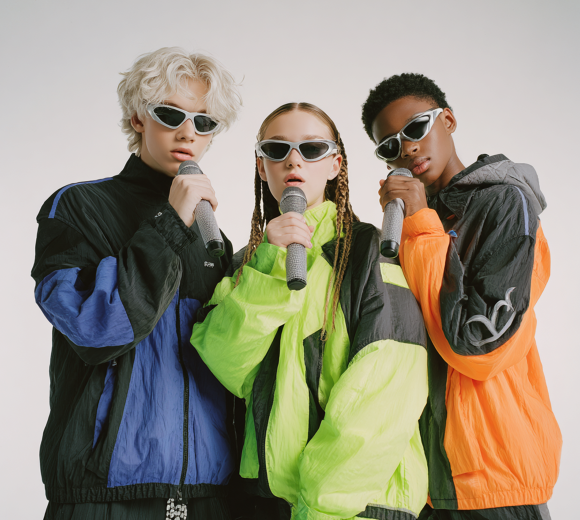
We know how to bring out a truly bright, fully expressed star. Voice & Stage at UNIKI is a program that shapes a standout performer through voice, body, and music — someone who can hold the stage, command the room’s attention, and, most importantly, enjoy music with their whole body.
We combine vocal, acting, and music theory the way it works in real шоу business. You don’t just sing over a backing track — you learn to live inside the song, feel the lyrics, space, light, partners, and the audience.
Every number is broken down from every angle: meaning, emotion, movement, eye focus, pauses, mic work, and performing with a band. Everything that’s usually scattered across different courses is brought together in one program.
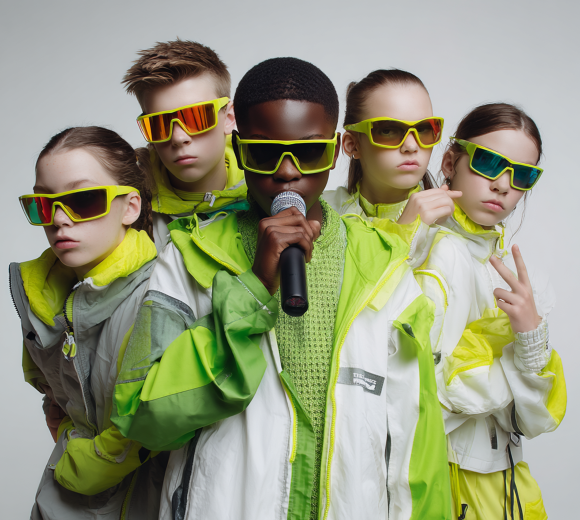
An artist is born at UNIKI. Vocal is about a voice that listens to you, and music you truly understand: in practice, we build breathing and support, sound production, diction, intonation, and confident mic technique; in theory, we break down rhythm, notes, harmony, and song structure so you sing with awareness, stay solid in the track and on stage, and feel steady control of your voice.>
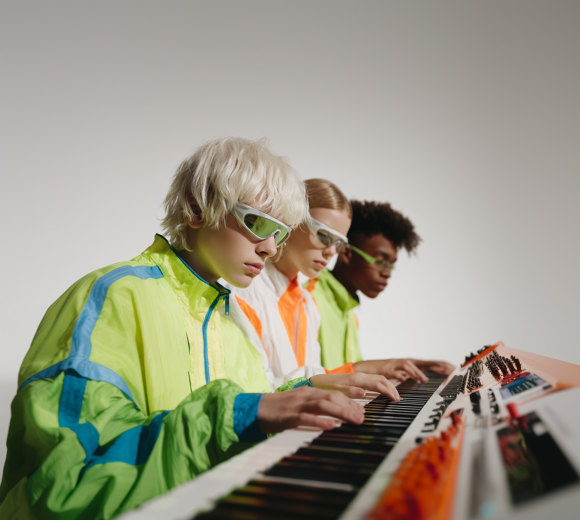
We build a strong piano foundation while keeping your interest in music alive. From the first minutes, your hands are on the keys, so the instrument quickly becomes clear. We work on posture, body alignment, wrists, and fingers, develop two-hand coordination and finger independence, learn to navigate the keyboard, and choose comfortable fingering.
The teacher is connected to each instrument, hears everyone, and steps in with support at the right moment.
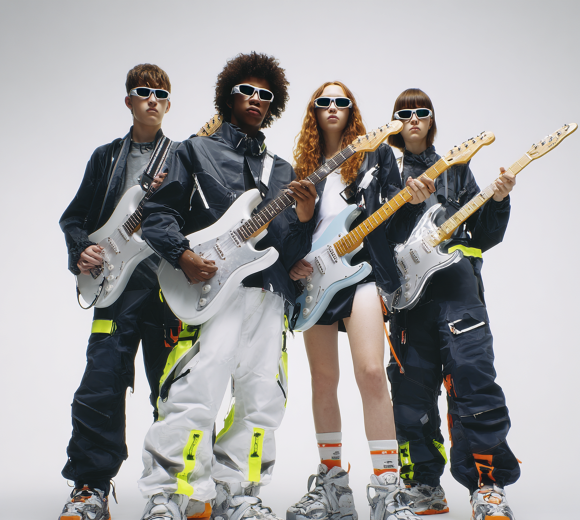
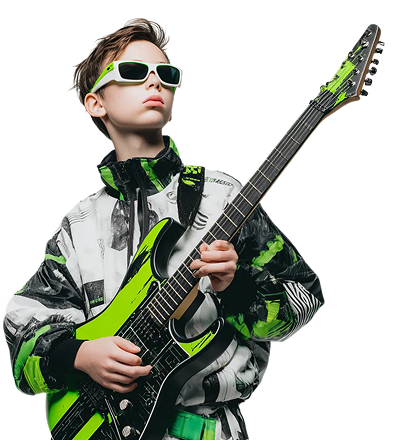
Group Guitar in TEENS is a program where we build confident, mindful instrument skills — from understanding how the guitar works and how sound is produced to playing acoustic guitar, electric guitar, and bass with confidence. We work on posture, hand and finger placement, clean controlled tone, reading tablature, then bring it into real musical practice: rhythm guitar, riffs, melodic lines, dynamics, and first steps in improvisation.
We work both with future lead guitarists and with those who want to be the band’s backbone. That’s why there’s lots of ensemble playing in the group. Teens learn to keep tempo, lock into the groove, listen to others, understand harmony and track form, and build parts into complete numbers they can perform on stage.
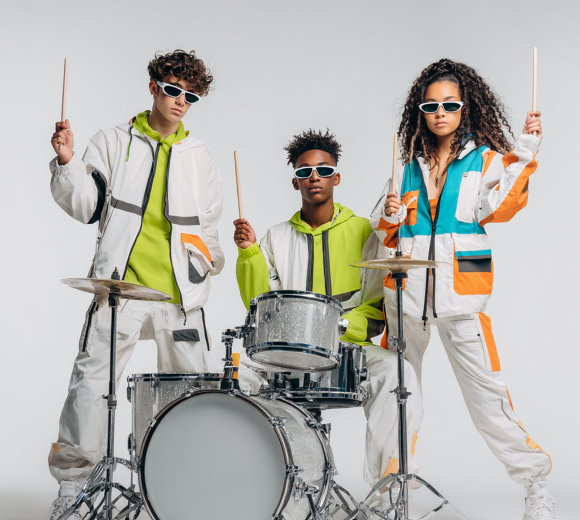
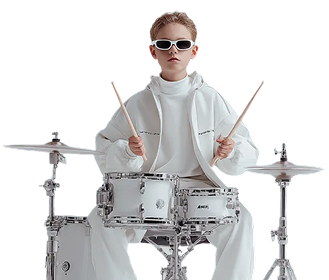
Group Drums in TEENS is a program where we build a strong foundation in technique, rhythm, and musicality — and give you tools for further growth. We explain everything in a way that works both for complete beginners and for those who’ve played before. With drums, the key is the right approach and regular practice — and that’s what brings steady progress.
We get to know the parts of the drum kit, gradually introduce note values and drum notation, and learn to keep pulse and build groove. Drumming engages different muscle groups, so it feels like a creative workout — improving coordination, focus, and endurance, while channeling energy into accuracy, tempo, and confident delivery.
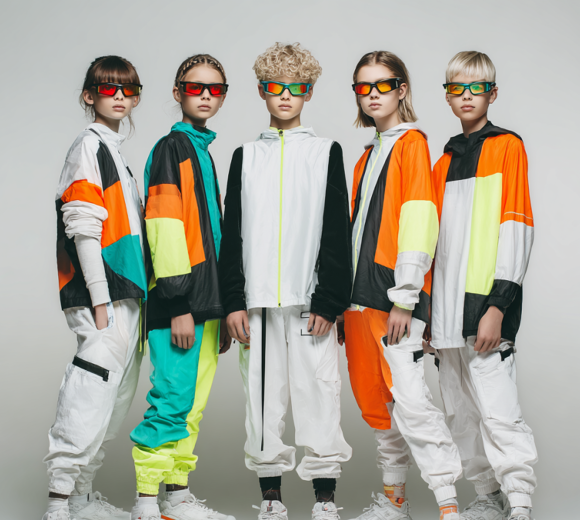
Acting at UNIKI is built on a strong methodological foundation. We develop the actor as a complete system — where body, attention, imagination, voice, and action work together — and from the very first classes we introduce stage-presence practice.
Through playful techniques, impulse and response, pauses, and tempo-rhythm, you learn to hold the room and build a character. We add stage speech, subtext, and precision of intention, then bring it all into scenes with clear objectives and conflict. In parallel, we try a screen format with short takes and prepare performance pieces for a larger themed show.
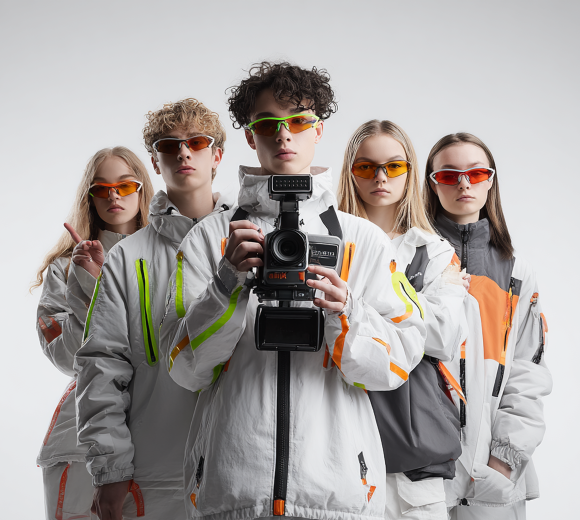
We study the full video production cycle from idea to edit. In class, together with an experienced teacher, we work with camera, lighting, sound, directing, and editing. In TEENS, we learn to think like creators and work as a production team: turning a concept into a script, building shots and rhythm, guiding the viewer’s attention, shooting on set, and shaping footage into a finished video. You’ll try different roles to discover where your strength is — directing, filming, editing, being on camera, or organizing the process. As a result, you present your project and build a development strategy in the field.
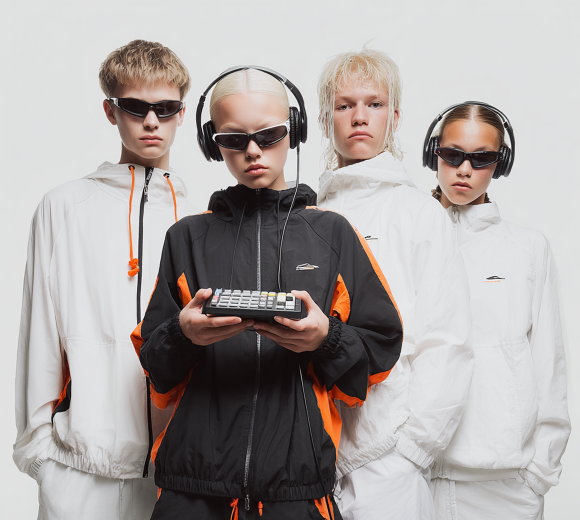
We introduce audio production through music, play, and ear training. Students learn to listen and recognize melodies, keep pulse and rhythm, and try first intervals and simple chords on the keyboard. Then we turn it into creativity: invent short motifs, build mood music, and sound-design mini-stories using everyday sounds. In Sound Lab, we get to know Logic Pro and create first mini-tracks from loops, recorded voice, and found sounds — so your child understands how music is made in a studio.
We know how to bring out a bright, fully expressed star. Vocal & Stage at UNIKI is a program that builds a true performer from voice, body, and music — someone who can own the stage, hold the room’s attention, and, most importantly, enjoy music with their whole body.
We combine vocal training, acting, and music theory the way it works in real show business. You don’t just sing over a backing track—you learn to live inside the song, feel the lyrics, the space, the light, your partners, and the audience.
Every number is explored from every angle: meaning, emotion, movement, eye focus, pauses, mic technique, and working with a band. Everything that’s usually split across different courses is brought together in one program.
An artist is born at UNIKI. Vocal is about a voice that listens to you, and music you truly understand: in practice, we build breathing and support, sound production, diction, intonation, and confident mic technique; in theory, we break down rhythm, notes, harmony, and song structure so you sing with awareness, stay solid in the track and on stage, and feel steady control of your voice.
Piano training helps your child build a strong foundation while staying excited about music. From the first minutes, hands are on the keys as we develop technique, two-hand coordination, finger independence, and confident keyboard navigation.
Each class combines Piano, Music Theory, and Music Culture, so students don’t just learn pieces — they understand what they’re playing. The teacher explains through both logic and imagery, gives level-based tasks, uses “older + younger” duets, and is connected to every instrument to hear and support each student.
Group Guitar in TEENS builds confident, mindful playing from understanding how the guitar works and how sound is produced to playing acoustic guitar, electric guitar, and bass. We work on posture, hand and finger technique, clean controlled tone, tablature, and chord patterns, then put it into real music: rhythm guitar, riffs, melodic lines, technique, dynamics, and first steps in improvisation.
We support both future lead guitarists and those who want to be the band’s backbone, so there’s lots of ensemble practice. Teens learn to keep tempo, lock into the groove, listen to others, understand harmony and track form, and build parts into complete numbers for the stage.
Group Drums in TEENS builds a strong foundation in technique, rhythm, and musicality — clear for beginners and полезно for those with experience. With drums, the key is the right approach and regular practice, which leads to steady progress.
We explore the drum kit, learn note values and drum notation, and train pulse and groove. Classes engage the whole body, so drumming feels like a creative workout — boosting coordination, focus, and endurance, and turning energy into precision, tempo, and confident delivery.
Classes teach you to manage emotions, voice, and body. In a group, stage presence switches on faster —because you have partners, a shared rhythm, and real, live attention.
We warm up the body and breath, train focus and ensemble skills, do études and improvisations, then build scenes and monologues. We work on diction, pauses, and intonation, learn to play objectives and subtext, add movement and staging — and when you’re ready, we bring in camera work.
We cover the full video production cycle from idea to edit. Together with an experienced teacher, teens work with camera, lighting, sound, directing, and editing, learning to think like creators and work as a real production team. You’ll learn how to turn a concept into a script, build shots and rhythm, guide the viewer’s attention, shoot on set, and shape footage into a finished video. You’ll also try different roles — directing, filming, editing, being on camera, or organizing the process — to find where your strength is. The result is a presented project and a clear development strategy in the field.
We introduce audio production through music, play, and ear training. Teens learn to listen and recognize melodies, keep pulse and rhythm, and try first intervals and simple chords on the keyboard. Then we turn it into creativity: invent short motifs, build mood music, and sound-design mini-stories using everyday sounds. In Sound Lab, we get to know Logic Pro and create first mini-tracks from loops, recorded voice, and found sounds — so your child understands how music is made in a studio.
We know how to bring out a bright, fully expressed star. Vocal & Stage at UNIKI is a program that shapes a performer through voice, body, and music — someone who can own the stage, hold the room’s attention, and enjoy music with their whole body.
We combine vocal training, acting, and music theory the way it works in real show business. You don’t just sing over a backing track — you learn to live inside the song, feel the lyrics, the space, the light, your partners, and the audience.
Each number is explored from every angle: meaning, emotion, movement, eye focus, pauses, mic technique, and working with a band. Everything that’s usually scattered across different courses is brought together in one program.
An artist is born at UNIKI. Vocal is about a voice that listens to you, and music you truly understand: in practice, we build breathing and support, sound production, diction, intonation, and confident mic technique; in theory, we break down rhythm, notes, harmony, and song structure so you sing with awareness, stay solid in the track and on stage, and feel steady control of your voice.
Piano classes help your child build a strong foundation while staying excited about music. From the first minutes, hands are on the keys as we develop technique, two-hand coordination, finger independence, and confident keyboard navigation.
Each class combines Piano, Music Theory, and Music Culture, so students don’t just learn pieces — they understand what they’re playing. The teacher adapts explanations to age (logic + imagery), gives level-based tasks, uses “older + younger” duets, and is connected to every instrument to hear and support each student.
Group Guitar in TEENS builds confident, mindful playing from understanding how the guitar works and how sound is produced to playing acoustic, electric, and bass. We work on posture, hand and finger technique, clean controlled tone, tablature, and chord patterns, then apply it in real music: rhythm guitar, riffs, melodic lines, техника, dynamics, and first steps in improvisation.
We support both future lead guitarists and those who want to be the band’s backbone, so there’s lots of ensemble practice. Teens learn to keep tempo, lock into the groove, listen to partners, understand harmony and track form, and build parts into complete numbers for the stage.
Group Drums in TEENS builds a strong foundation in technique, rhythm, and musicality—for beginners and for those who’ve played before. With drums, the key is the right approach and regular practice, which leads to steady progress.
We get to know the kit, learn note values and drum notation, and train pulse and groove. Drumming works the whole body, so it feels like a creative workout—building coordination, focus, and endurance, and turning energy into precision, tempo, and confident delivery.
Acting at UNIKI develops the actor as a complete system — body, attention, imagination, voice, and action—switching on stage presence from the first classes.
Through playful, precise training you build character, partnership, and stage control: impulse and response, pauses and tempo-rhythm, and text work with subtext and intention. You apply it all in scenes and short on-camera takes, then bring final pieces into a themed show with music and movement.
We cover the full video production cycle from idea to edit. With an experienced teacher, teens work with camera, lighting, sound, directing, and editing, learning to think like creators and work as a real production team. You’ll turn concepts into scripts, build shots and rhythm, guide viewer attention, shoot on set, and shape footage into finished videos — trying different roles along the way. The result is a completed project and a clear next-step strategy.
We introduce audio production through music, play, and ear training. Teens learn to recognize melodies, keep pulse and rhythm, and try first intervals and simple chords on the keyboard. Then we turn it into creativity: invent short motifs, create mood music, and sound-design mini-stories using everyday sounds. In Sound Lab, we explore Logic Pro and make first mini-tracks from loops, recorded voice, and found sounds — so students understand how music is made in a studio.
Would you like to try an introductory session?
BEFORE PURCHASING A MEMBERSHIP
Introductory session: €39. Available only once.
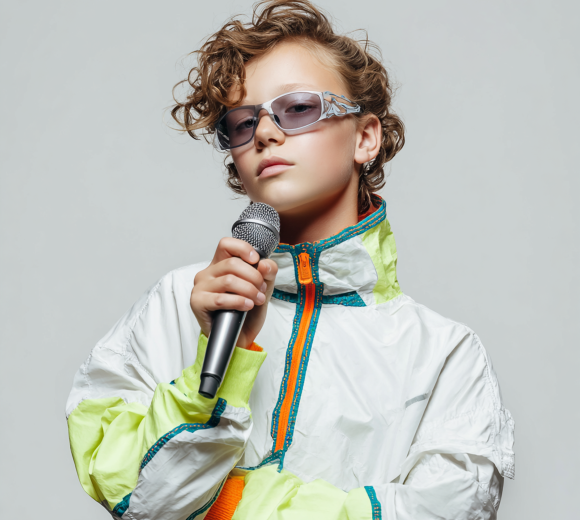
We work with an anatomical approach and closely track how your voice responds to exercises and songs. We build breathing and support, teach you to control sound production and vocal fold closure, keep intonation steady, and maintain freedom in your tone. In parallel, we put your vocal skills together as a system and add stage technique, so you can sound confident on the mic and hold attention.
55 min

We build a solid foundation in music literacy and ear training. The child gets to know the keyboard and the staff, learns to find notes, understand octaves, and intone scales. In parallel, we develop rhythmic thinking — beats, counting, note values, and time signatures— then move on to first intervals and solfège, so theory immediately becomes practice.
We make sure knowledge doesn’t stay in a notebook. The child sings, plays, writes, listens, and analyzes — learning to capture melody and rhythm by ear and translate them into notation. This leads to first steps in composition and improvisation and helps develop musical taste.
55 min
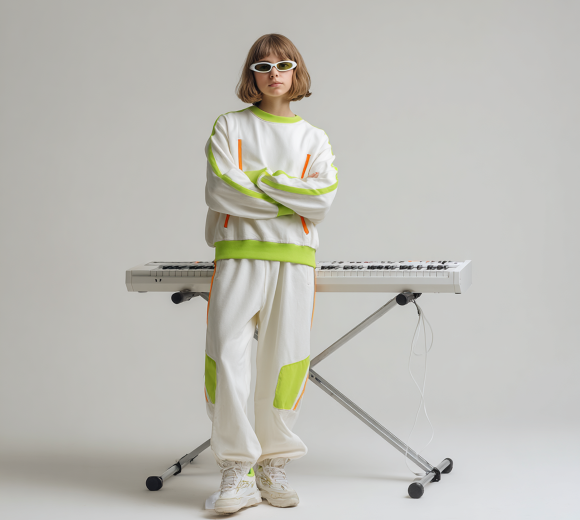
In piano lessons, we place your hands on the keys from the very first seconds. A keyboard with so many keys becomes clear and engaging and from your first touch, you learn to navigate it and make it feel familiar. Step by step, we build piano technique, develop two-hand coordination and control of each finger, try playing by ear, and start to understand how musical ideas are built so you can play with meaning and enjoyment.
55 min
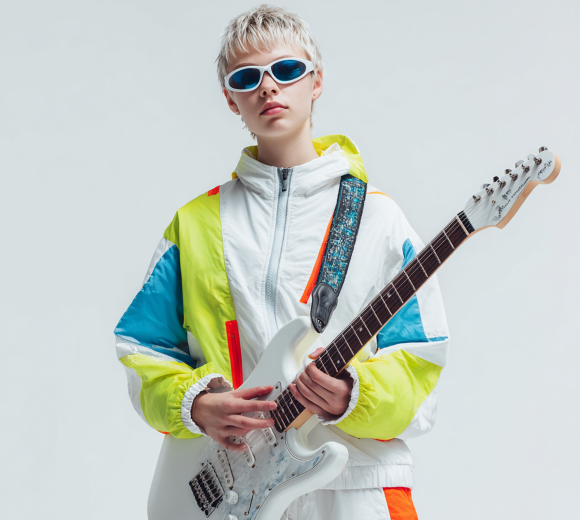
In the first lessons, we make the guitar feel truly yours — starting with hand position, posture, and clean sound. We break down how the instrument works, how the strings and pick respond, and how to place the left and right hands so your fingers don’t fight the neck, but control it. Then we build rhythm and first chord patterns, add simple riffs and melodies, so your child can play music they’ll want to share at home and on stage.
55 min
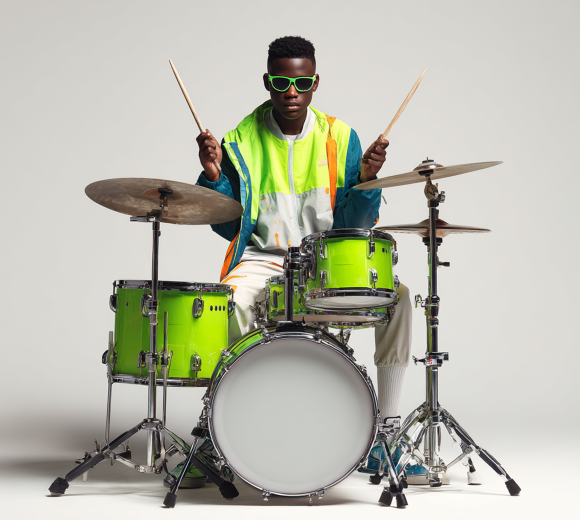
An individual drum program builds a strong foundation in technique, rhythm, and musicality. We get to know the kit, learn safe and confident posture, and control strike strength. From the first lessons, we add movement and playful rhythm tasks.
55 min
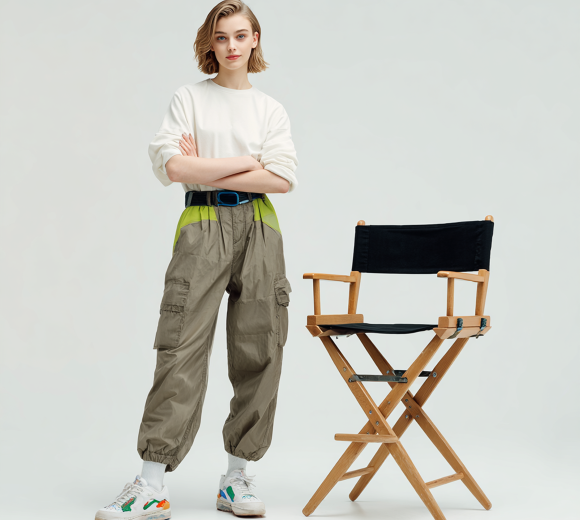
The classes help you express yourself confidently through body and voice and build core acting skills. Film and theatre professionals start with playful études and focus exercises for concentration, and imagination — so you can step into a role easily and act freely.
We develop physical expressiveness, impulse, and inner tempo, learning to build a character. In parallel, we train voice and speech — strengthening diction, breathing, and intonation — so you can speak clearly and confidently in front of an audience.
55 min
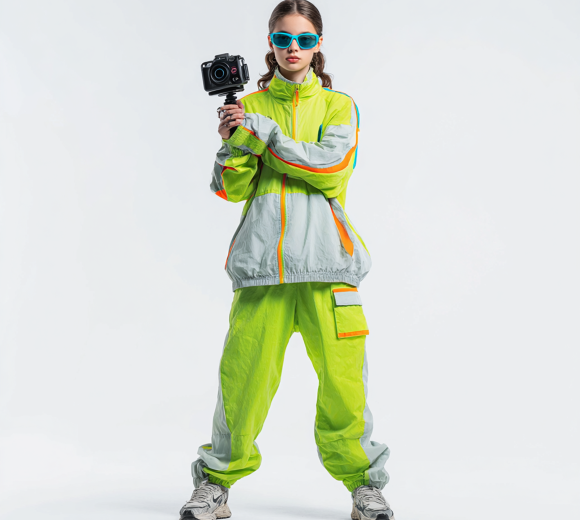
One-on-one lessons are tailored to the student’s level and goals — from the very first steps to advanced work. Students go through the full video-making cycle: from idea and script to filming, editing, and publishing. They learn framing, sound, lighting, and movement, study storytelling and cinematography, editing (in Adobe Premiere Pro), and live streaming via OBS. Each lesson is built around the student’s interests — whether that’s music videos, short-form content, mini-films, or streams.
55 min
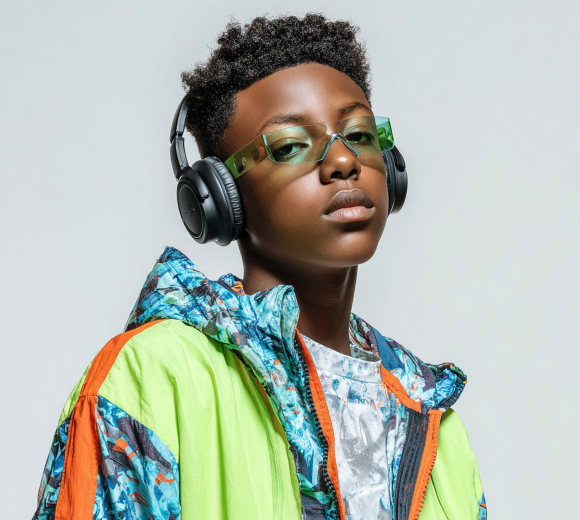
Sound production lessons introduce the full process of making music from an idea to a finished track. We work in Logic Pro and learn how to build an arrangement, record vocals, apply basic processing, mix, and take the first steps in mastering.
We also develop ear training, rhythm, and musical memory through play, movement, and the keyboard — learning to recognize melodies and build simple chords. Then we bring ideas into the studio: create mini-arrangements from loops and basic sounds, record vocals and found sounds, add effects, and turn a sketch into a track that’s enjoyable to listen to — and ready to share.
55 min
At ages 9–11, the voice is in a pre-mutation stage. The vocal folds are still thin and closure is light, so the sound is usually higher and more airy. That’s why safe workload and age-appropriate repertoire are especially important — we choose songs that don’t overload the voice and help the child feel successful, grow in confidence, and stay motivated.
We use an anatomy-based approach to gently strengthen the voice and breath and teach the child to sing consciously, engaging the right muscles for sound production. For us, vocal is like sports—only we train the laryngeal muscles and the supporting muscles of the torso and back. At the same time, we develop ear training, rhythm, diction, and the ability to express emotions through singing. Step by step, the child gets to know their voice, learns to listen to it, and understands their possibilities at every stage of growth.
45 min
We build a solid foundation in music literacy and ear training. The child gets to know the keyboard and the staff, learns to find notes, understand octaves, and intone scales. In parallel, we develop rhythmic thinking — beats, counting, note values, and time signatures — then move on to first intervals and solfège so theory immediately becomes practice.
45 min
In piano lessons, we place your hands on the keys from the very first seconds. A keyboard with so many keys becomes clear and engaging — and from your first touch, you learn to navigate it and make it feel familiar. Step by step, we build piano technique, develop two-hand coordination and control of each finger, try playing by ear, and start to understand how musical ideas are built — so you can play with meaning and enjoyment.
45 min
In the first lessons, we make the guitar feel truly yours — starting with hand position, posture, and clean sound. We break down how the instrument works, how the strings and pick respond, and how to place the left and right hands so your fingers don’t fight the neck, but control it. Then we build rhythm and first chord patterns, add simple riffs and melodies, so your child can play music they’ll want to share at home and on stage.
45 min
An individual drum program builds a strong foundation in technique, rhythm, and musicality. We get to know the kit, learn safe and confident posture, and control удар strength. From the first lessons, we add movement and playful rhythm tasks.
45 min
The classes help you express yourself confidently through body and voice and build core acting skills. Film and theatre professionals start with playful études and focus exercises for concentration, and imagination — so you can step into a role easily and act freely.
We develop physical expressiveness, impulse, and inner tempo, learning to build a character. In parallel, we train voice and speech — strengthening diction, breathing, and intonation — so you can speak clearly and confidently in front of an audience.
60 min
One-on-one lessons are tailored to the student’s level and goals — from the very first steps to advanced work. Students go through the full video-making cycle: from idea and script to filming, editing, and publishing. They learn framing, sound, lighting, and movement, study storytelling and cinematography, editing (in Adobe Premiere Pro), and live streaming via OBS. Each lesson is built around the student’s interests — whether that’s music videos, short-form content, mini-films, or streams.
60 min
Sound production lessons introduce the full process of making music — from an idea to a finished track. We work in Logic Pro and learn how to build an arrangement, record vocals, apply basic processing, mix, and take the first steps in mastering.
We also develop ear training, rhythm, and musical memory through play, movement, and the keyboard—learning to recognize melodies and build simple chords. Then we bring ideas into the studio: create mini-arrangements from loops and basic sounds, record vocals and found sounds, add effects, and turn a sketch into a track that’s enjoyable to listen to — and ready to share.
60 min
During this stage, the voice changes noticeably. The body is growing, mutation is underway, and both timbre and working range are shifting — so precise training loads and the right repertoire are essential.
We use an anatomy-based approach and track how the voice responds to exercises and songs. We build breathing and support, teach control of sound production and vocal fold closure, help maintain intonation, and keep the sound free. In parallel, we develop singing as a complete system and add stage skills — so you can sing confidently into a microphone and hold attention.
45 min
Music theory gives you the language of music that you can apply right away — in playing an instrument, vocal, ensemble work, and production. We systematize notation, rhythm, and time signatures, develop ear analysis and intonation accuracy, and build interval and mode-based thinking. Step by step, theory becomes a practical tool that makes it easier to learn repertoire, understand harmony, and shape your own musical ideas.
45 min
We structure lessons so you see clear progress every class and stay engaged. We work through small goals, lots of hands-on practice, and repertoire you actually like.
From the first lesson, you start playing and build the foundation step by step: keyboard orientation, technique, coordination, and rhythm. We add note reading and ear training, and learn to shape sound through dynamics, articulation, and phrasing.
45 min
Guitar lessons at UNIKI are where a professional guitarist shares what they know and shows what they can do. They help you build practice so your hands remember the movements, and guide you through warm-ups, chord changes, barre chords, hand synchronization, and both pick and fingerstyle technique.
We also break down how the guitar works and how sound is produced, set your posture and technique, and teach you to play chords confidently and keep steady rhythm. Then you learn your first parts, read tablature, and build music from chords, riffs, and simple melodies.
45 min
We build technique and rhythm so drums become a clear, accessible instrument. We work on posture, grip, rebound, and clean sound production, and learn to count note values and read notation. Then we develop groove based on the Money Beat, play with a metronome and backing tracks, add breaks and fills, and expand your vocabulary through syncopation and new time signatures.
We explore styles, dynamics, and the drummer’s role in a band, and add sessions with guitar or piano. We use drum pads and training tools to make your rhythm tight and alive.
45 min
We develop clear speech, strong diction, and confidence in front of people — grounded in acting skills. We work on articulation and intonation, remove filler words, and train pauses, tempo, and focus in partnership. Through études, improvisation, and scenes, you learn to create a character, and work with text and subtext. When you’re ready, we add camera work and acting for the frame.
80 min
We go through the full cycle from idea to a finished video. We turn a concept into a clear plan, build the script and storyboard, and learn to see the frame and guide the viewer’s attention.
On set, we cover camera settings, lighting, sound recording, and how to run a shoot. In post-production, we edit, clean up audio, color-correct, and add graphics and effects — so you end up with work you can publish, use for castings, include in a portfolio, and keep developing.
80 min
In one-on-one lessons, we develop a producer’s ear and musical thinking. You’ll learn to pick out melodies and chords from your favorite songs, keep tempo with a metronome, hear a track’s structure, and understand how harmony and rhythm shape the feel of music. We break down where the verse and chorus are, how the pre-chorus and bridge work, why one progression feels brighter and another darker — and how to use that in your own ideas.
Then we bring it into the studio. In Logic Pro, we build arrangements, program parts with MIDI and loops, record vocals or instruments, do basic editing, and learn mixing fundamentals. We work with reference tracks to develop your taste and understand how to take an idea all the way to a track you’ll want to play again and again.
80 min
During this stage, the voice changes noticeably. The body is growing, mutation is underway, and both timbre and working range are shifting — so precise training loads and the right repertoire are essential.
We use an anatomy-based approach and track how the voice responds to exercises and songs. We build breathing and support, teach control of sound production and vocal fold closure, help maintain intonation, and keep the sound free. In parallel, we develop singing as a complete system and add stage skills — so you can sing confidently into a microphone and hold attention.
45 min
Music theory gives you the language of music that you can apply right away — in playing an instrument, вокал, ensemble work, and production. We systematize notation, rhythm, and time signatures, develop ear analysis and intonation accuracy, and build interval and mode-based thinking. Step by step, theory becomes a practical tool that makes it easier to learn repertoire, understand harmony, and shape your own musical ideas.
45 min
We structure lessons so you see clear progress every class and stay engaged. We work through small goals, lots of hands-on practice, and repertoire you actually like.
From the first lesson, you start playing and build the foundation step by step: keyboard orientation, technique, coordination, and rhythm. We add note reading and ear training, and learn to shape sound through dynamics, articulation, and phrasing.
45 min
Guitar lessons at UNIKI are where a professional guitarist shares what they know — and shows what they can do. They help you build practice so your hands remember the movements, and guide you through warm-ups, chord changes, barre chords, hand synchronization, and both pick and fingerstyle technique.
We also break down how the guitar works and how sound is produced, set your posture and technique, and teach you to play chords confidently and keep steady rhythm. Then you learn your first parts, read tablature, and build music from chords, riffs, and simple melodies.
45 min
We build technique and rhythm so drums become a clear, accessible instrument. We work on posture, grip, rebound, and clean sound production, and learn to count note values and read notation. Then we develop groove based on the Money Beat, play with a metronome and backing tracks, add breaks and fills, and expand your vocabulary through syncopation and new time signatures.
We explore styles, dynamics, and the drummer’s role in a band, and add sessions with guitar or piano. We use drum pads and training tools to make your rhythm tight and alive.
45 min
We develop clear speech, strong diction, and confidence in front of people — grounded in acting skills. We work on articulation and intonation, remove filler words, and train pauses, tempo, and focus in partnership. Through études, improvisation, and scenes, you learn to create a character, and work with text and subtext. When you’re ready, we add camera work and acting for the frame.
80 min
We go through the full cycle from idea to a finished video. We turn a concept into a clear plan, build the script and storyboard, and learn to see the frame and guide the viewer’s attention.
On set, we cover camera settings, lighting, sound recording, and how to run a shoot. In post-production, we edit, clean up audio, color-correct, and add graphics and effects — so you end up with work you can publish, use for castings, include in a portfolio, and keep developing дальше.
80 min
In one-on-one lessons, we develop a producer’s ear and musical thinking. You’ll learn to pick out melodies and chords from your favorite songs, keep tempo with a metronome, hear a track’s structure, and understand how harmony and rhythm shape the feel of music. We break down where the verse and chorus are, how the pre-chorus and bridge work, why one progression feels brighter and another darker — and how to use that in your own ideas.
Then we bring it into the studio. In Logic Pro, we build arrangements, program parts with MIDI and loops, record vocals or instruments, do basic editing, and learn mixing fundamentals. We work with reference tracks to develop your taste and understand how to take an idea all the way to a track you’ll want to play again and again.
80 min
HOW DOES THE TEENS UNIVERSE LOOK AND FEEL?
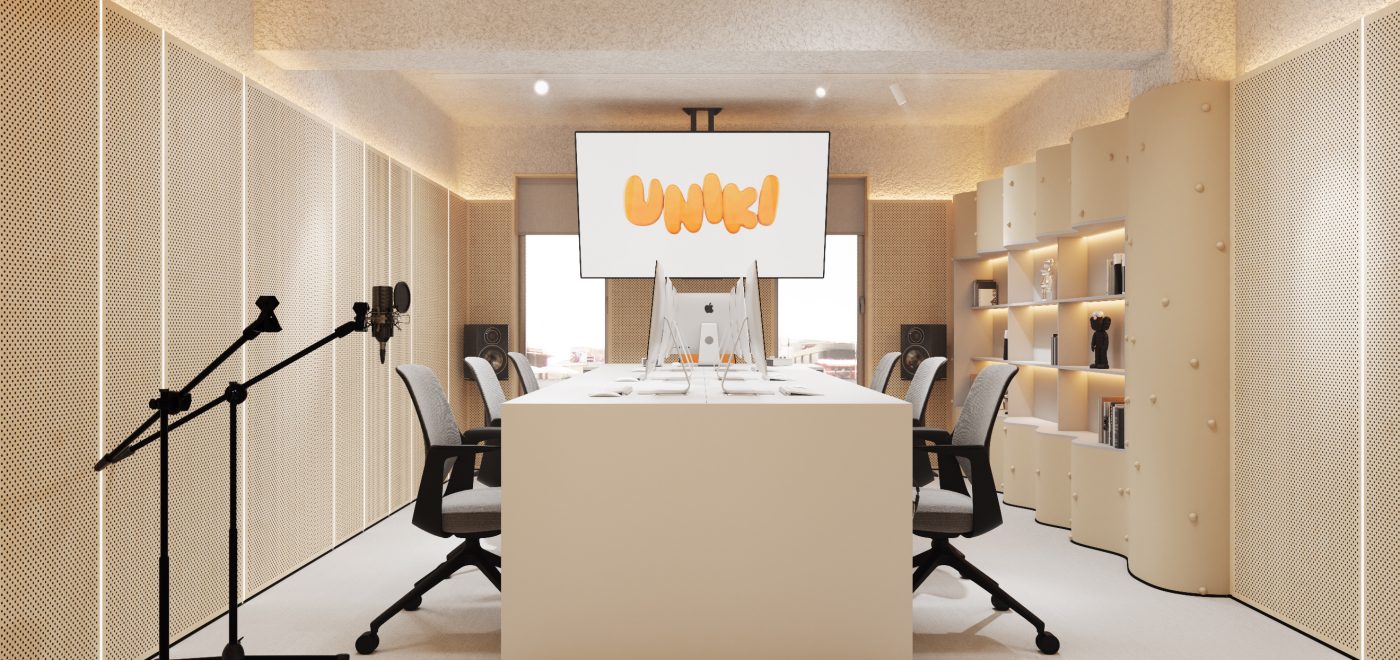
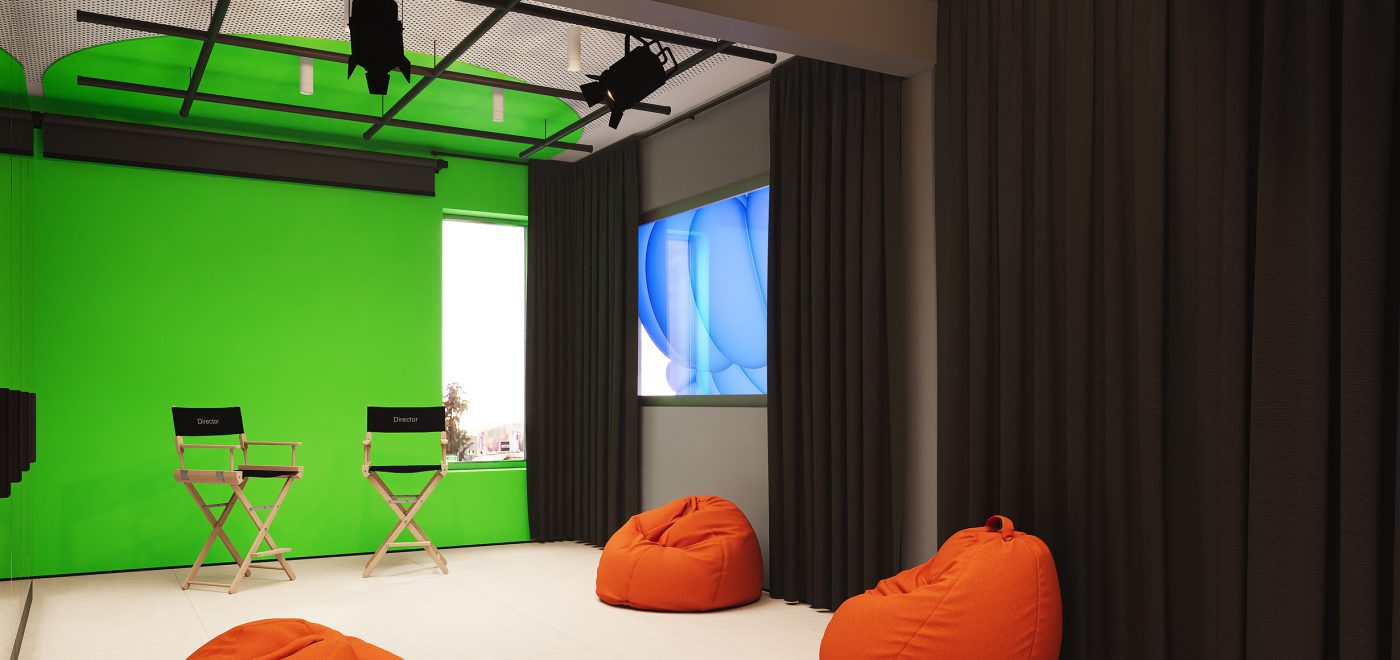
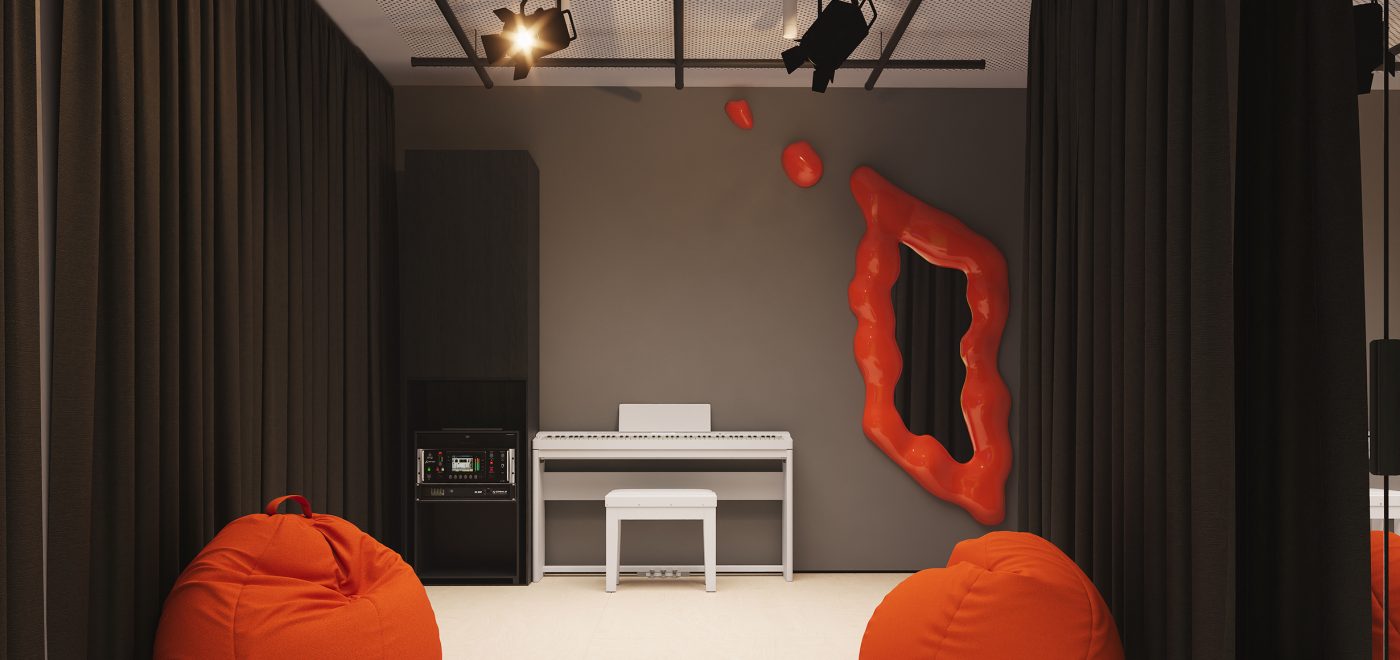
Band Practice every week
Band is a real experience of playing in a full lineup: vocals, keys, guitar, bass, and drums in one team. We teach not only how to play, but also how to behave on stage. We rehearse, build a repertoire, and perform regularly.
Parents come to the shows and consistently see the results how their child grows and starts truly enjoying making music.
Why choose UNIKI?

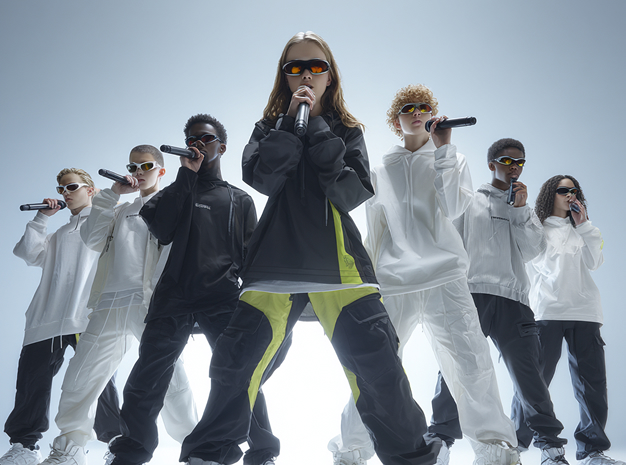
UNIKI is a 360° performing arts education system where music, stage, and production come together in one structure. Disciplines strengthen each other and give you a clear path from first skills to confident performance, recording, or video.
Classes are led by working professionals and built around real practice, precise feedback, and clear goals. It’s also a space to express yourself and grow through collaboration and real projects.
Our
teachers
 First aid trained
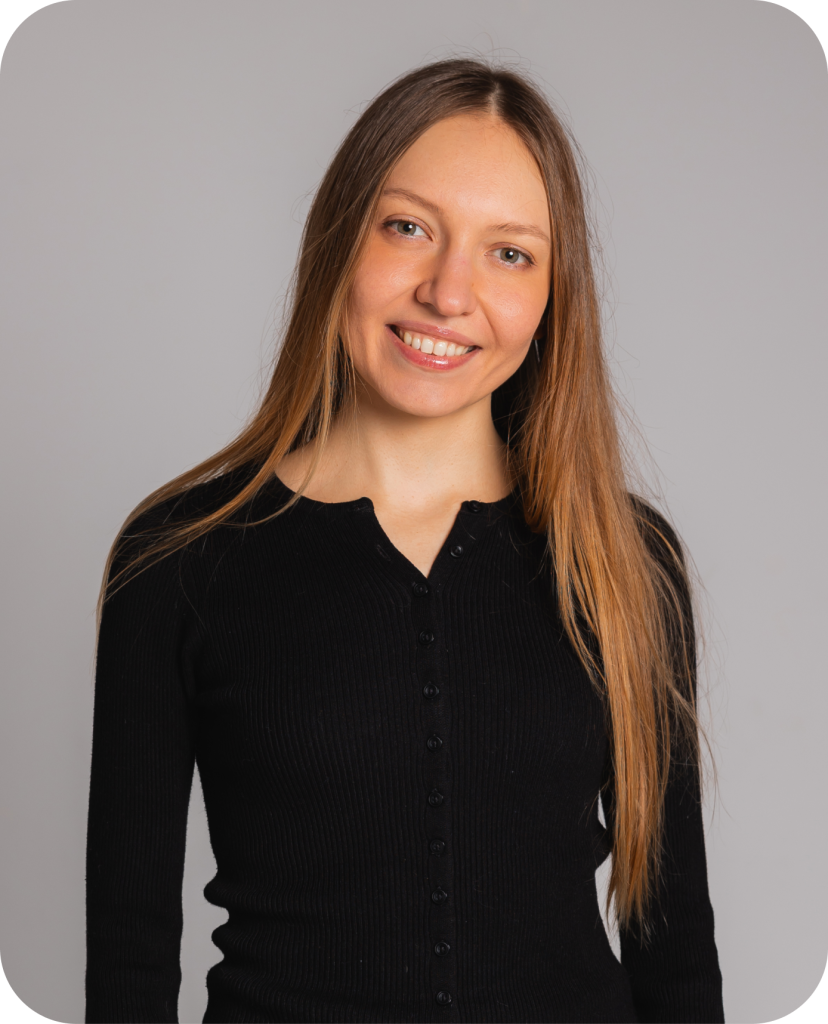
Maria is a pianist and teacher with a strong classical background and professional jazz training. She has taught over 1,500 lessons.
At UNIKI, Maria teaches Piano, Music Theory, Band, Vocal & Stage, Vocal & Sound, and Piano Groups. In her work, she combines classical and modern methods, drawing on European and Russian standards of music education. She focuses on developing rhythm, ear training, improvisational thinking, and overall musical culture.
No one can tell you about Maria better than she can herself:
«In childhood, I used to go wild to Elvis Presley, and at one point I firmly decided I wanted to become a rock star. If UNIKI had existed back then, maybe I would have become one. But instead, I went to music school, and then to the Arkhangelsky Music College in Penza, where I studied classical piano and earned my first degree in music. Even then, I became a laureate and prize-winner of regional and national competitions.
But my dreams of the rock stage wouldn’t let go, so I decided to continue my education in jazz—because, as it seemed to me, from jazz with its complex chords and improvisation to rock music is just a small step. That’s how I became a jazz pianist, graduating from the Maimonides Academy in Moscow in 2022.
Alongside my studies, I began teaching private music lessons to children and adults—and unexpectedly discovered a gift for mentoring and teaching. Over time, I realized that my true calling wasn’t to be a rock star (though who knows what the future holds), but to light up new musical stars.
Today, I teach classical and jazz piano, improvisation, music theory, and music culture. My teaching is built on empathy, attention to each student, and the belief that learning music can—and should—be interesting and fun. I use modern approaches to developing rhythm, ear training, and musical thinking, and I follow European and Russian teaching standards.»
 First aid trained
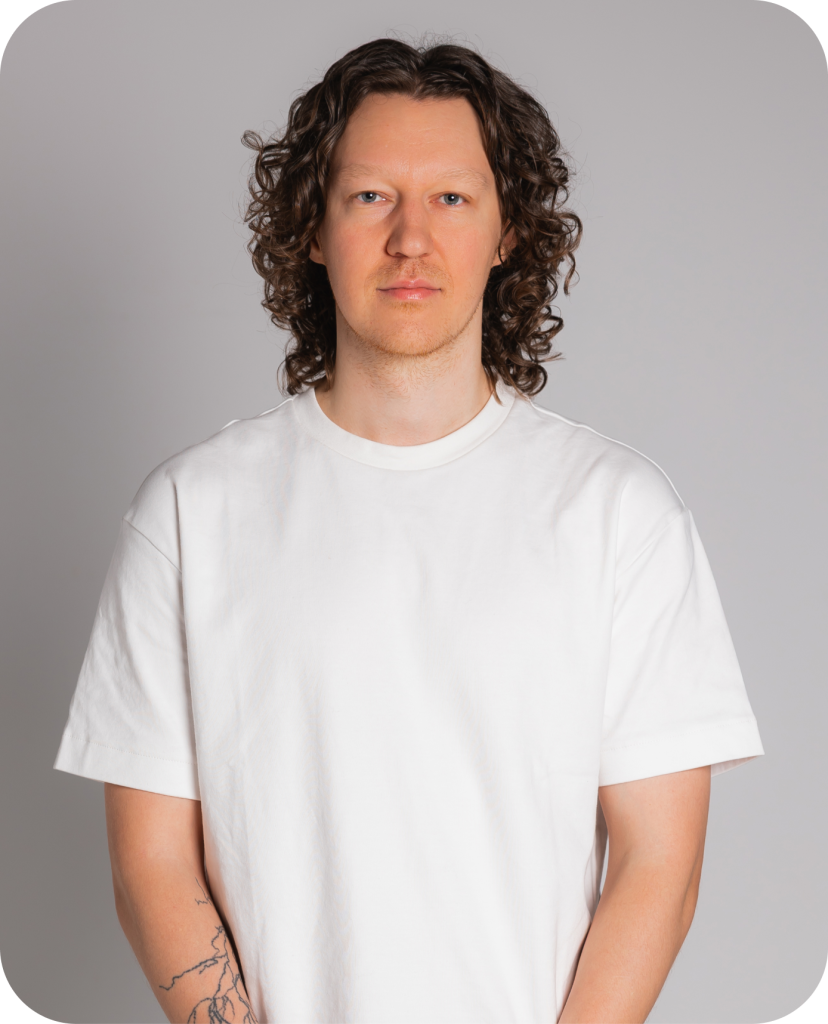
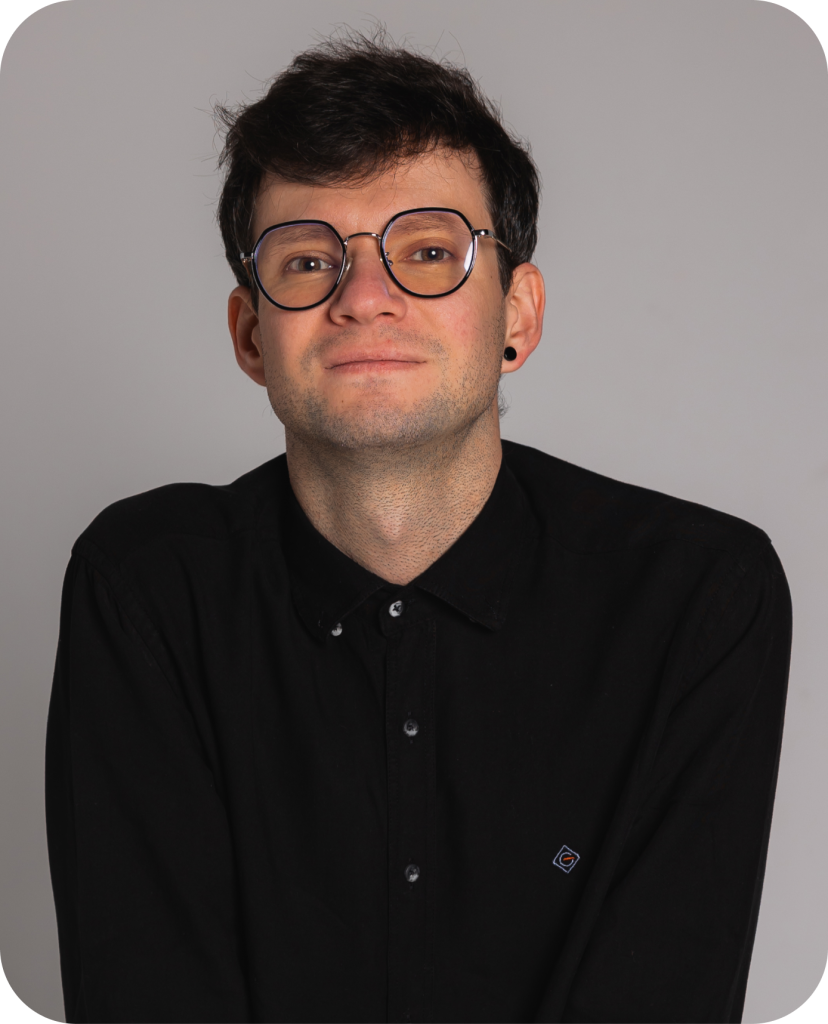
Vladislav is a pianist, an international competition laureate, and a teacher with a strong academic background.
His path combines the big stage, deep academic training, and working with strong students of different ages. In his teaching, Vladislav relies on structure: he builds a clear system where technique, theory, and musicality come together as one process.
At UNIKI, Vladislav teaches Piano, Music Theory, Vocal & Stage, and Vocal & Sound. In his classes, you don’t “decode notes”—you learn to understand music, control your sound, and manage your progress. He helps you build a solid foundation, gain confidence in your skills, and see real results at every step.
«I love watching something grow and unfold over time. Like a plant that responds to care with patience and quiet perfection. Like body and spirit in sport, where discipline turns effort into confidence and strength. In my work, I stick to the most rational approach possible: I gather knowledge, systematize it, and pass it on in a way that makes the process engaging and inspiring. When there is interest and direction, results never take long to appear. I can also boast a truly inexhaustible reserve of patience and an ability to take things all the way to a result.»
— Vladislav
 First aid trained
Thomas Shurkus is a drummer and teacher with 15 years of experience, including five years of professional academic practice. In 2016, he graduated from the jazz department of the University of Edinburgh, receiving a strong foundation in contemporary performance, rhythm, and music theory.
Thomas can tell you the rest himself:
«My name is Thomas. I’ve been behind a drum kit for as long as I can remember. What matters to me is showing my students that you don’t need any inborn talent to learn this instrument—you just need the right approach and practice. That’s exactly what we do in lessons:
– We create an individual program for each student;
– If you already have musical preferences, we start from that style right away and study it in depth;
– FINGERDRUMMING. Yes, we’ll bring drum controllers into the lessons to develop your sense of rhythm in a playful, interactive, and currently very popular way. Today it’s one of the biggest directions out there, using finger motor skills.
– My lessons are designed to be interactive, using backing tracks, multimedia, prepared presentations—and, most importantly, additional software on screen (BFD3, Indaband, Media Evolution, Beatlii, etc.), which can teach literally anyone to play in a game-like format.
The range of skills here is very broad, so what you learn can easily transfer into other areas—from writing your own compositions for the stage and creating accompaniment to confident work in DAWs, which can become a professional starting point for a future DJ career.
The results speak for themselves. My approach removes everything connected to stiffness and fear of improvising—and a drummer charged with positivity is already half the success of any future band.»
 First aid trained
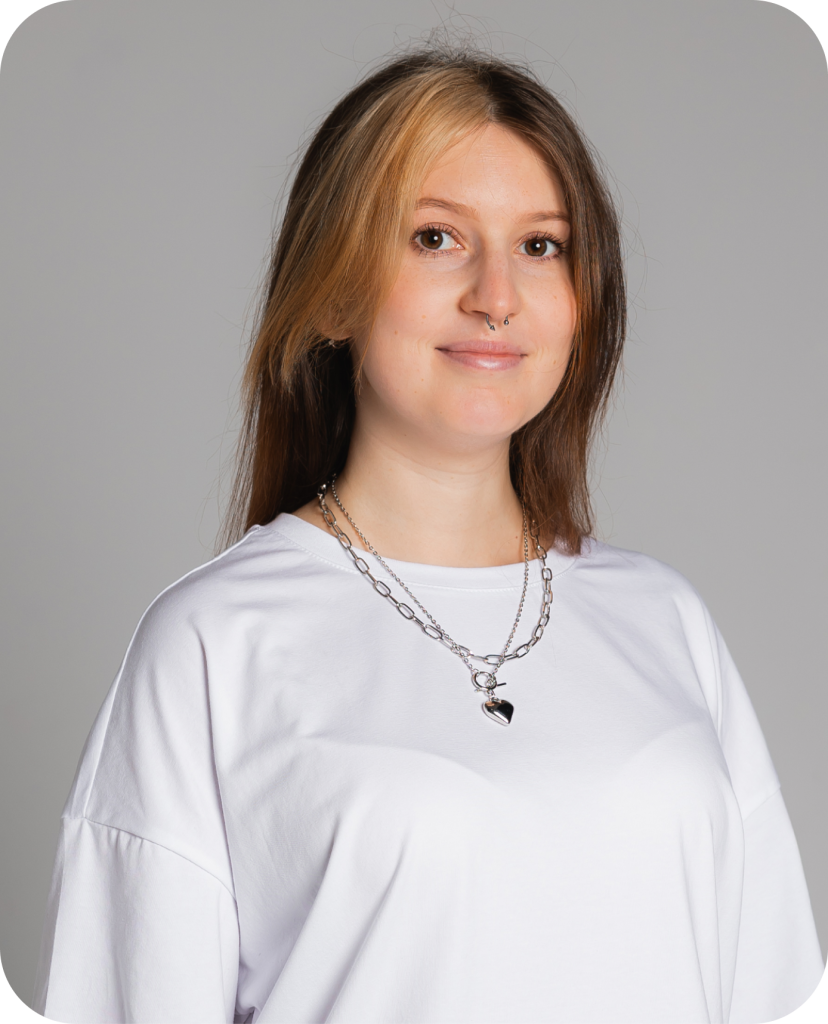
Nastasya is a Vocal teacher and the director of a pop choir. She graduated from the pop & jazz department of the Tchaikovsky Music College, studied with residents of the Ever Jazz club, and performed on the same stage with them.
Her teaching is based on EVT (Estill Voice Training)—a scientific, anatomy-based approach that helps you control your voice consciously and freely in any genre. Nastasya’s students sing everything from opera to heavy rock, release their own songs, and perform at venues.
Many of her students already release original music and perform on different stages. Here’s how Nastasya describes herself:
“My name is Nastasya Matveeva. I was born into a family of folk vocal teachers, so I’ve been surrounded by music and singing since childhood. I first stepped on stage at the age of two, and I haven’t left it since. The voice is a unique instrument—one I’ve studied inside and out. I tried working in different genres and styles to better understand what the voice is capable of. My students also help me learn a lot. For more than eight years, I’ve been listening to and working with different people’s timbres and vocal habits. Working with children’s voices shows just how far you can go when you understand how vocal structures change over time.
I’m truly inspired when a student becomes a conscious performer. They don’t just copy sounds—they understand which muscles and cartilage help create the sound they want. I also love working on original songs—helping to color and enrich a written song with different techniques and tools. And of course, working with ensembles and choirs is its own kind of joy: when students build incredible chord textures and carry the melody forward. The more people there are, the bigger the feeling of unity through sound. I’m convinced anyone can learn to sing!”
 First aid trained
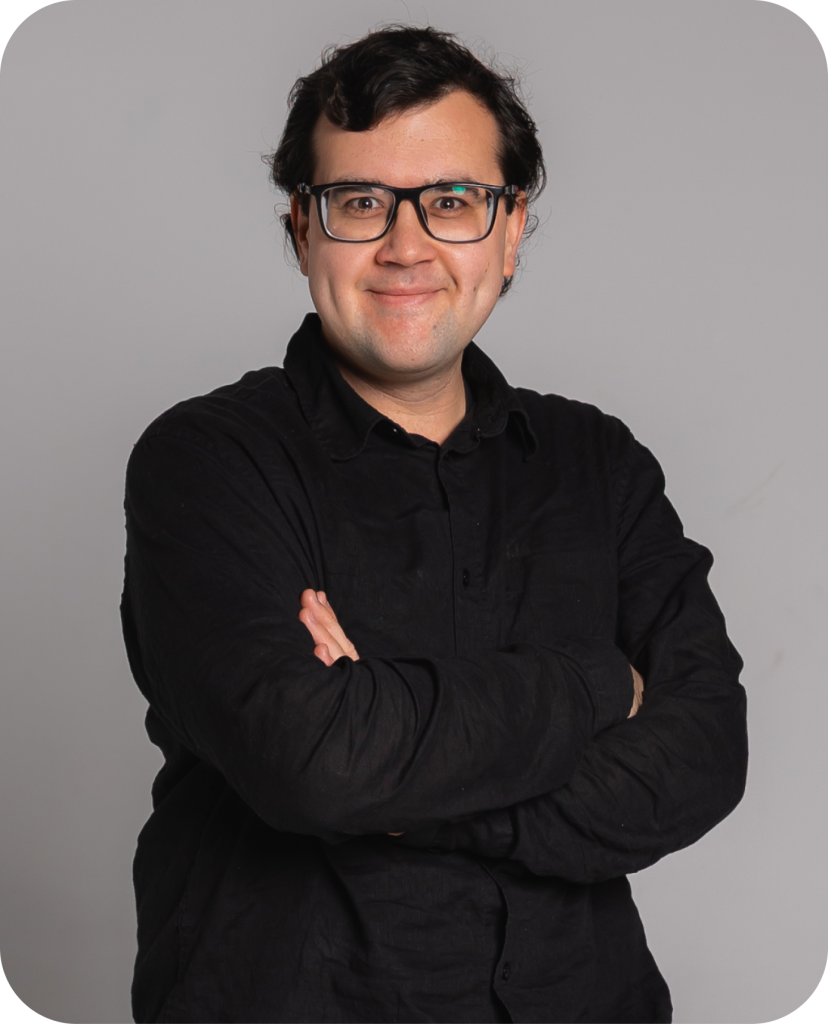
Anton is a director, screenwriter, editor, and teacher with over 14 years of experience in film and media.
A key part of Anton’s professional path is teaching filmmaking to international standards—for example, the International Baccalaureate (IB) system. His students go through the full production cycle—from screenwriting and film-language analysis to shooting, editing, and sound—creating their own films.
«Hello! My name is Anton Retunskikh.
I’m a director and a teacher of film and video production.
Since 2011, I’ve been working in film and video as a director, screenwriter, and camera operator-editor.
It’s important for me to find a balance between an academic foundation and hands-on practice, making complex topics clear and engaging.
For me, it’s not just about teaching people how to shoot or analyze films—it’s about helping them learn how to watch and think. We talk about how a shot is built, how editing, sound, and rhythm work, how images convey emotions and meaning, and why visual culture has such a powerful impact on how we perceive the world.»
 First aid trained
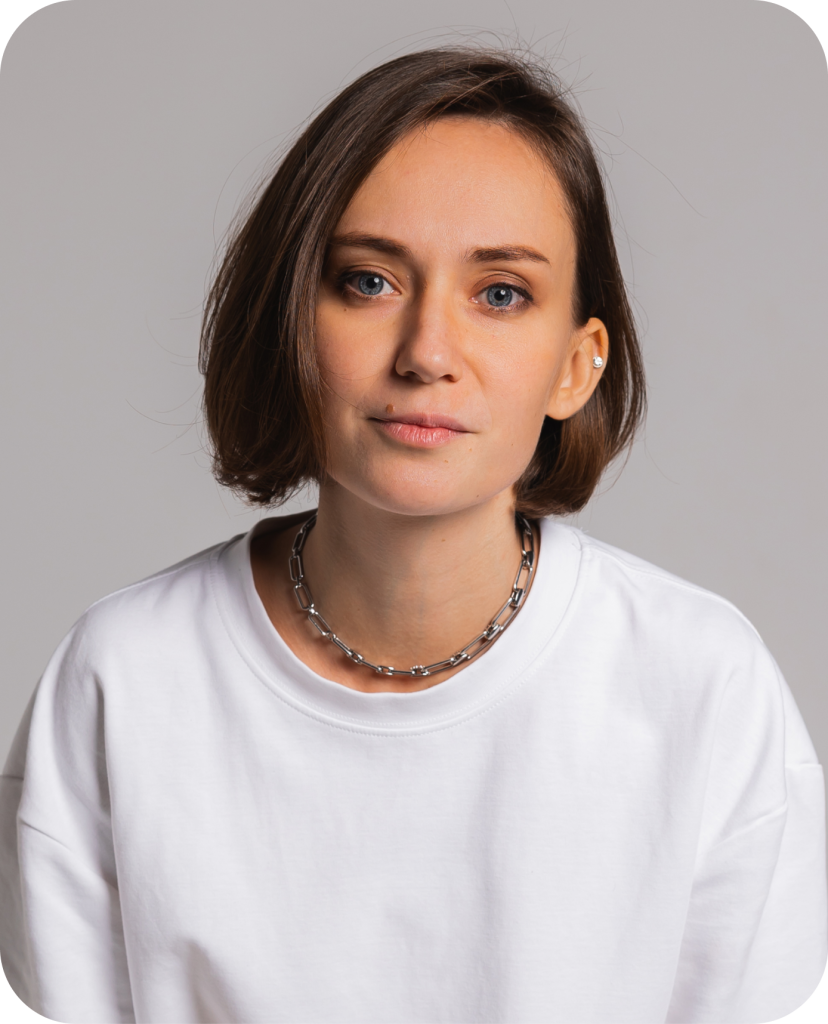
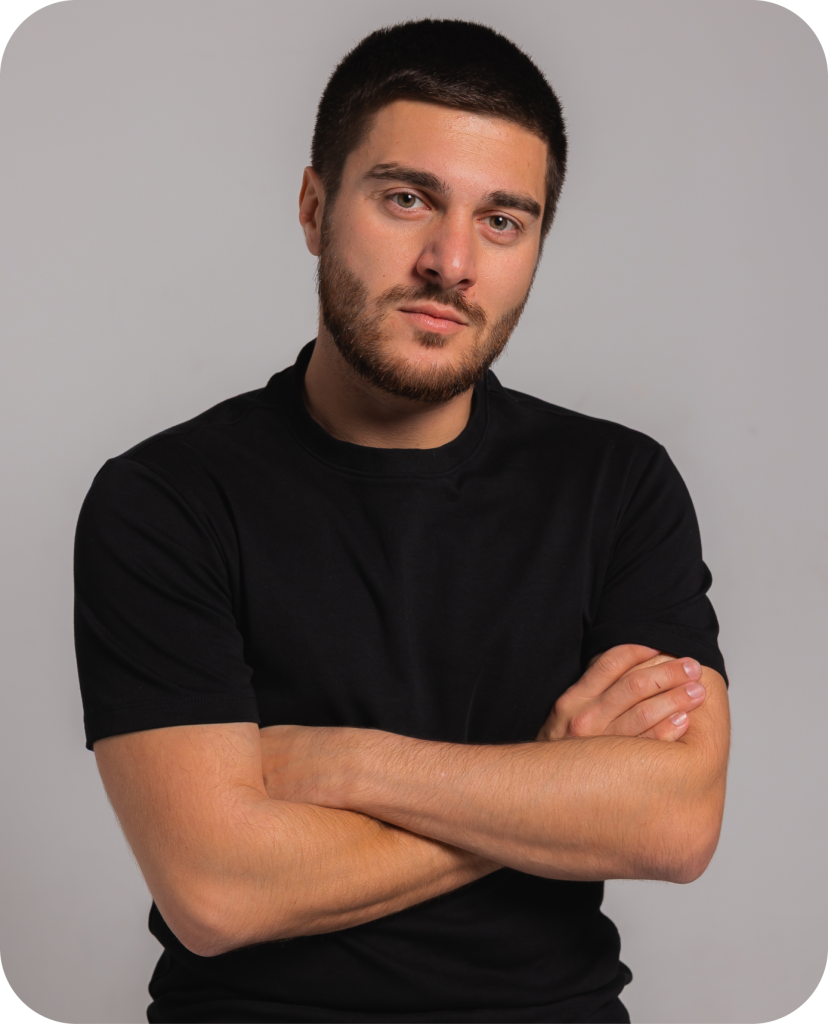
Maria is a pianist and sound producer—an active musician working on stage and in the studio. At UNIKI, she teaches audio production and bands so students understand musical logic, develop their ear, and turn ideas into tracks and live numbers—not just “complete a program.”
Maria’s classes are highly hands-on and industry-focused. You’ll learn to hear form and harmony, work in Logic Pro, record and build arrangements, develop your taste in sound, and take an idea all the way to a result you’ll actually want to play and share.
«My name is Maria Pokutnaya. I’m a pianist, composer, and sound producer. For nearly half my life, I studied academic and jazz piano. For more than 15 years, I’ve been working in the professional music world—on stage and in the studio.
In our studio, what matters to me is not simply teaching you to play or sing, but helping you understand music and create it consciously. We develop a professional ear and musical thinking. It’s important to me that every student feels not like a performer following instructions, but like a musician and author who can express themselves through sound.
In my classes, I care about an atmosphere of support and freedom—where it’s not scary to try, make mistakes, and find your own sound. There will be a lot of mistakes, trust me 🙂 But the real goal is for music to become a source of confidence and inner support for you, and for the skills you gain to be truly useful.»
 First aid trained
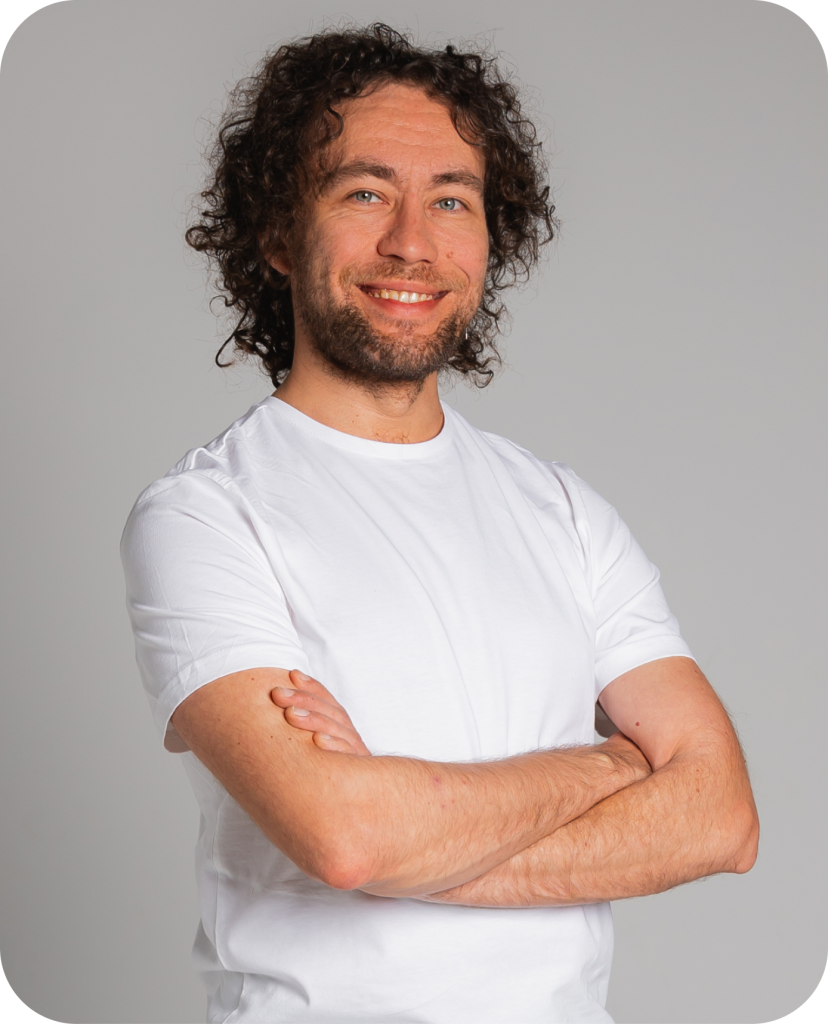
Bekariy is a theatre and film actor, director, and teacher with 13+ years of experience. A graduate of the Saint Petersburg Theatre Academy and the Music Hall children’s studio, he worked with the Maly Drama Theatre — Theatre of Europe (Lev Dodin) and performed on major European and Asian stages.
He has appeared in 30+ film projects, worked in commercials and voiceover (including for Netflix), and covers everything from drama and comedy to immersive productions and musical shows. As a director and screenwriter, he has made 15+ films; one won the 48 Hour Film Project Tbilisi.
At UNIKI, he teaches Acting for TEENS and Adults using his “No Judgement” approach—no grades, no labels.
«I’ve worked across many forms—from classical theatre to immersive and playback projects, where sincerity and attention to your partner are key. I teach acting, stage speech, and the fundamentals of stage movement. My goal is for students to feel inner strength, believe in what they can do, and turn fear into an ally—training a versatile performer who can do it all, and more!»
 First aid trained
Danis is a theatre and film actor, theatre director, and linguist. A graduate of the I. Gorbachev School of Russian Drama in Saint Petersburg, he has performed in 500+ shows and appeared in 20+ screen projects, including playing Viktor Tsoi in Alexey Uchitel’s film «Tsoi». He also runs his own programs, performs in music projects, and has taught acting in Cyprus for several years.
«Hello, my name is Danis Bukharaev. I’m an acting teacher at UNIKI. I spent about seven years at the Saint Petersburg State Musical Theatre “Zazerkalye” and worked with state and independent theatres, collaborating with directors from across Europe and beyond. I’m also an English teacher.
In class, I focus on individuality and partnership: finding what makes you unique and learning to connect with others on stage in a supportive, easy atmosphere.»

You asked?
We answer
-
Is TEENS suitable if my child has never studied music before?
-
What’s better: private lessons or group classes?
-
How are your classes different from a traditional music school?
-
How do concerts work, and is performing required?
-
Can we combine several disciplines?
-
Can my child form a band with friends or classmates?